Russia Highly Qualified Specialist Visa Toronto: Your Complete 2026 Guide to the HQS Work Permit
When I first started helping Canadian professionals navigate Russia's work visa landscape, I thought the process was impossibly complex. But after working with dozens of Toronto-based specialists who successfully obtained their HQS visas, I realized the truth about Russia's Highly Qualified Specialist (HQS) visa program is far more accessible than most people imagine. If you're a skilled professional in Toronto considering work opportunities in Russia, you're not alone – and more importantly, there's a proven pathway that offers significant advantages over standard work permits.
What is the Russia Highly Qualified Specialist (HQS) Visa?
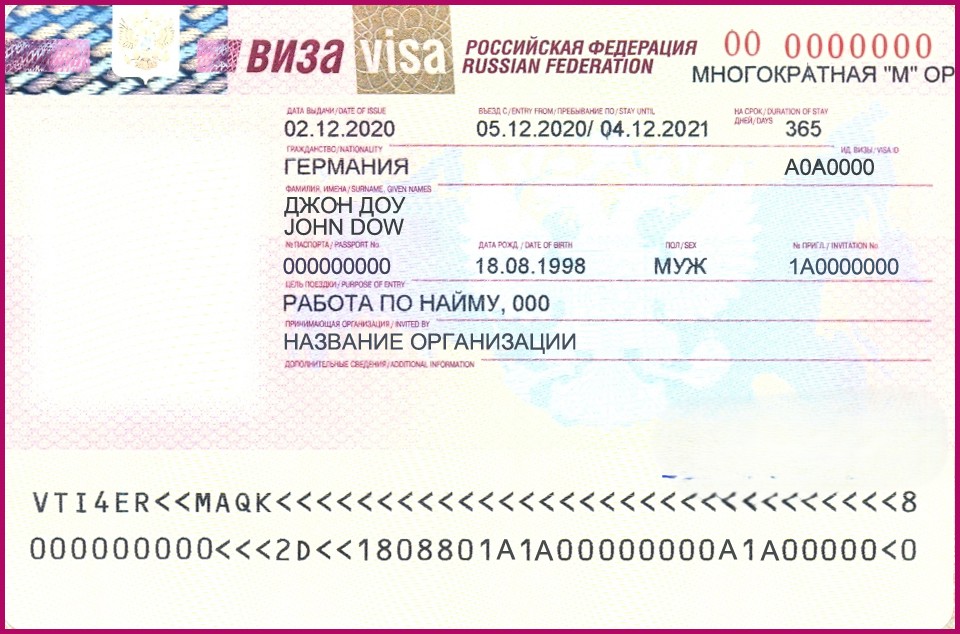
The Russia Highly Qualified Specialist visa, known locally as the VKS (Высококвалифицированный специалист) visa, is a premium work authorization designed specifically for foreign professionals with exceptional skills and qualifications. Unlike standard Russian work permits that are subject to quota restrictions and regional limitations, the HQS visa provides a fast-tracked pathway to working legally in Russia.
Key distinctions that set the HQS visa apart:
- Multiple-entry privilege: Valid for up to 3 years with unlimited entries to Russia
- No quota restrictions: Not subject to the annual foreign worker quotas that plague standard permits
- Preferential tax treatment: 13% personal income tax from day one (versus 30% for standard work permits)
- Family inclusion: Spouses and children can accompany you with simplified procedures
- Accelerated processing: Approximately 20 working days versus months for regular permits
Think of it this way: if standard work permits are like economy class – limited, restrictive, and complicated – then the HQS visa is business class, offering expedited service and premium benefits.
Who Qualifies for the Russian HQS Visa in Toronto?
Here's where it gets interesting. You don't need to be a Nobel laureate or Olympic athlete to qualify. The Russian government has intentionally broadened the scope to attract talented professionals across multiple industries.
Eligible Professions for HQS Status
Technology & IT Specialists
- Software developers and engineers
- Systems architects and database administrators
- Cybersecurity professionals
- AI and machine learning specialists
- IT project managers
Medical Professionals
- Physicians and surgeons (especially specialists)
- Medical researchers
- Healthcare administrators with advanced qualifications
Academic & Research Professionals
- University professors and lecturers
- Scientific researchers
- R&D specialists in any field
Business Executives
- C-level executives (CEO, CFO, CTO, etc.)
- Senior managers with proven track records
- Business development directors
Engineering Professionals
- Mechanical, electrical, and civil engineers
- Industrial designers
- Quality assurance specialists
Creative Professionals
- Artists and performers with international recognition
- Designers and architects
- Film and media production specialists
Sports Professionals
- Professional athletes
- Coaches with international credentials
- Sports scientists and physiotherapists
The common thread? Demonstrable expertise, verifiable qualifications, and – crucially – an employer willing to pay the minimum salary threshold.
The Critical Salary Requirement: What You Need to Know
Let me be blunt about this: the salary requirement is the make-or-break factor for HQS qualification. As of 2024, Russian authorities significantly adjusted these thresholds, and understanding them is essential.
Current HQS Salary Requirements (2026)
Standard HQS Threshold:
- Minimum 750,000 Russian Rubles per quarter (approximately 250,000 RUB/month)
- Translates to roughly CAD $3,500-4,000 per month depending on exchange rates
- Must be documented in your employment contract
- Payment must be traceable and fully legal
Special Categories with Lower Thresholds:
- Academic researchers and educators: 83,500 RUB/month minimum
- IT specialists in designated technology parks: May qualify for reduced thresholds
- Foreign investors creating Russian businesses: Variable requirements
Important considerations:
- Salary must be net of taxes in most interpretations
- Must be paid by a legally registered Russian entity
- Cannot be paid in cryptocurrency or non-traditional methods
- Employment contract must explicitly state this compensation
Before you think, "That's too low to be realistic" – remember that Russia's cost of living, particularly outside Moscow and St. Petersburg, is significantly lower than Toronto's. That CAD $4,000/month goes much further in Russia than you'd expect.
Comparing HQS to Russia's New Skilled Visa Program (2026)
Starting in 2026, Russia introduced a parallel "Skilled Visa" program aimed at mid-level professionals. Here's how it differs from HQS:
| Feature | HQS Visa | Skilled Visa (2026) |
|---|---|---|
| Salary Requirement | 250,000 RUB/month | 125,000-167,000 RUB/month |
| Validity | Up to 3 years | Up to 1 year (renewable) |
| Tax Rate | 13% from day one | 30% for first 183 days |
| Quota Subject | No | Yes, regional quotas apply |
| Processing Time | ~20 working days | 30-60 days |
| Residence Permit Path | Simplified procedure | Standard procedure |
For Toronto-based professionals, the HQS remains the superior option if you meet the salary threshold – the tax savings alone justify the higher income requirement.
Step-by-Step Application Process from Toronto
Let's walk through exactly how to obtain your HQS visa from Toronto. I've broken this down into manageable phases so you'll know precisely what to expect.
Phase 1: Employer-Side Documentation (Russia)
Your Russian employer does the heavy lifting here. They must:
- Obtain employer accreditation for hiring foreign HQS specialists (if not already accredited)
- Draft and execute your employment contract specifying:
- Your position title and detailed job responsibilities
- Minimum HQS salary commitment (250,000+ RUB/month)
- Contract duration (up to 3 years)
- Work location details
- Apply for your HQS work permit with Russian Ministry of Internal Affairs (MVD)
- Employer submits application on your behalf
- Processing time: approximately 14-20 working days
- Cost: approximately 35,000-50,000 RUB
- Request visa invitation letter (also called visa support or telex)
- Can be paper form (original required) or electronic
- Must be issued by MVD of Russia
Timeline for employer phase: 3-4 weeks on average
Pro tip: Ensure your employer uses experienced migration consultants in Russia. The documentation requirements are strict, and mistakes cause significant delays.
Phase 2: Document Preparation (Toronto)
While your employer handles the Russian side, you'll be gathering your documents in Toronto:
Essential Documents Checklist:
✅ Valid passport
- Must have at least 18 months validity from projected entry date
- Minimum 2 blank visa pages required
- Photocopy of information pages
✅ Completed visa application form
- Must be completed online at visa.kdmid.ru
- Print and sign personally
- Select "Consulate General of Russia in Toronto" as destination
- Attach one recent passport photo (3.5cm x 4.5cm)
- If filling application online is difficult or undesirable you may use the following off-line Russian visa application form
✅ Original visa invitation letter
- Issued by MVD of Russia
- Can be paper original or electronic telex number
- Must match your application details exactly
✅ Employment contract
- Signed by both parties
- Clearly stating HQS salary threshold
- Notarized and translated to Russian (if originally in English)
✅ Medical certificates
- HIV test certificate (mandatory, must be recent)
- General health certificate from Canadian physician
- Vaccination records (recommended)
- All medical documents must be translated to Russian
✅ Educational credentials
- Diplomas, degrees, professional certifications
- Must be notarized and apostilled
- Russian translation required for all documents
✅ Background check/police clearance
- Canadian criminal record check from RCMP
- Must be apostilled
- Valid within 6 months of application
✅ Proof of health insurance
- Must cover entire period of stay in Russia
- Minimum coverage: typically $30,000 USD
- Available through specialized travel insurance providers
Document Authentication Requirements:
Toronto applicants must understand Canada's authentication process:
- Notarization: Get documents notarized by a licensed Canadian notary public
- Authentication: Submit to Global Affairs Canada for authentication (replaces "legalization")
- Apostille: As of January 2024, Canada joined the Hague Apostille Convention, simplifying this process significantly
- Translation: All English documents must be translated to Russian by certified translators
Pro tip: Use translation services that specialize in Russian legal documents. The Russian consulate in Toronto maintains a list of approved translators – using them prevents rejection due to translation issues.
Phase 3: Visa Application Submission (Toronto)
Once your employer confirms your work permit is approved and you've assembled all documents, it's time to apply at the Russian Consulate in Toronto.
Russian Consulate General in Toronto:
- Address: 60 Saint Clair Avenue East, 5th floor, Toronto, ON M4T1N5
- Phone: +1 (416) 962-9911
- Email: toronto@kdmid.ru
- Consular Hours: Monday-Friday, 9:00 AM - 1:00 PM (check website for current hours)
- Emergency Contact: +1 (647) 879-8414 (24-hour)
Application Submission Process:
- Schedule appointment (if required – check current procedures on consulate website)
- Arrive with complete document package
- Pay visa fee (approximately CAD $150-300 depending on processing speed)
- Biometric data collection (if required)
- Receive processing timeline (standard: 10-20 business days)
Alternative: Russian Visa Center Toronto
Many Toronto applicants use private visa centers for convenience:
- Russian Visa Center Toronto: Handles document submission and collection
- Advantage: More flexible hours, less waiting time, no need of personal appearance at the consulate
- Cost: Service fees additional to consular fees
- Location: Check Visa Center for current address
Processing Timeline:
- Standard processing: 10-20 business days
- Expedited service: 3-10 business days (higher fees)
- Peak season delays: Plan extra time during summer months (June-August)
Phase 4: Arrival in Russia & Final Registration
Congratulations! You've received your HQS visa. But your obligations aren't finished yet.
Upon Arrival in Russia (within 7 days):
-
Migration registration (also called "registration at place of stay")
- Your employer or landlord must register your presence with local migration authorities
- Deadline: Within 7 business days of arrival
- Failure to register results in fines and potential deportation
- You'll receive a registration slip – keep it with your passport always
-
Open Russian bank account
- Required for receiving salary
- Major banks: Sberbank, VTB, Tinkoff
- Bring: passport, work permit, migration registration
-
Apply for Russian taxpayer number (INN)
- Required for employment
- Application at local tax office
- Usually processed same day
-
Medical insurance enrollment
- Employer should provide or facilitate
- Mandatory medical insurance (OMC) or private insurance
Residence Permit Pathway:
One of the HQS visa's biggest advantages is the simplified path to Russian temporary residence:
- After 1 year of HQS employment, you can apply for temporary residence permit (RVP)
- No quota restrictions for HQS holders (unlike standard foreign workers)
- After 3 years with temporary residence, eligible for permanent residence permit (VNZh)
- Permanent residence opens pathway to Russian citizenship (typically 5 years, but accelerated tracks exist)
This makes the HQS visa particularly attractive for Toronto professionals considering long-term relocation.
Cost Breakdown: What You'll Actually Spend
Let me give you a realistic picture of the total costs involved. I've seen too many applicants surprised by "hidden" expenses.
Russian Employer Costs (typically covered by employer):
- Work permit application: 35,000-50,000 RUB (approx. CAD $500-750)
- Visa invitation processing: 10,000-20,000 RUB (CAD $150-300)
- Migration consultancy fees (if used): 50,000-150,000 RUB (CAD $750-2,250)
Your Direct Costs (Toronto applicant):
- Visa application fee: CAD $150-300 (depending on processing speed)
- Document translations: CAD $50-100 per page (budget CAD $500-1,000 total)
- Notarization and apostille: CAD $200-400
- Medical certificates and HIV test: CAD $150-300
- Police clearance certificate: CAD $25-75
- Health insurance (initial coverage): CAD $500-1,500 depending on coverage level
- Passport photos: CAD $15-30
- Travel to/from consulate (if outside Toronto): Variable
Visa center service fees (if used):
- Service charge: CAD $50-150 additional
Total estimated costs for Toronto applicant: CAD $1,600 - $3,000
Pro tip: Some progressive Russian employers reimburse visa-related expenses as part of relocation packages. Negotiate this before accepting the job offer.
HQS vs. Standard Russian Work Visa: Why HQS is Worth It
You might wonder whether the higher salary requirement and documentation burden of the HQS visa justifies the effort. Let me show you with real numbers.
Tax Savings Alone Justify HQS Status
Scenario: 1-year employment at 300,000 RUB/month
| Visa Type | Monthly Gross | Tax Rate | Monthly Tax | Annual Tax | Take-Home (Annual) |
|---|---|---|---|---|---|
| HQS Visa | 300,000 RUB | 13% | 39,000 RUB | 468,000 RUB | 3,132,000 RUB |
| Standard Work Permit | 300,000 RUB | 30% (first 183 days) | 90,000 RUB | ~756,000 RUB* | 2,844,000 RUB |
*Standard permit drops to 13% after 183 days of residence, but first half-year is 30%
Savings with HQS: 288,000 RUB annually (approximately CAD $4,300)
Over a 3-year contract, that's nearly CAD $13,000 in tax savings alone – more than covering all visa costs.
Beyond Tax Benefits: Quality of Life Advantages
HQS holders report:
- Smoother interactions with Russian bureaucracy (HQS status signals legitimacy)
- Easier apartment rental (landlords prefer HQS tenants)
- Better banking relationships (easier to secure credit cards, loans)
- More respect in workplace (HQS designation carries prestige in Russian corporate culture)
- Simplified travel (multiple-entry visa means spontaneous trips home to Toronto)
For relevant information about general visa procedures, you might find our visa information knowledge base helpful.
Common Mistakes Toronto Applicants Make (And How to Avoid Them)
After helping numerous professionals navigate this process, I've seen patterns in what goes wrong. Here are the pitfalls and how to sidestep them.
Mistake #1: Inadequate Document Authentication
The Problem: Submitting documents without proper apostille or with incorrect translations.
The Solution:
- Use only certified translators familiar with Russian legal requirements
- Ensure all stamps and seals are clearly visible on photocopies
- Get apostille authentication through Global Affairs Canada before translating
- Keep multiple certified copies of everything
Mistake #2: Medical Certificate Timing Errors
The Problem: HIV test results expire quickly (typically valid 30-90 days).
The Solution:
- Get medical certificates LAST, after all other documents are ready
- Coordinate timing with your expected application submission date
- Some Toronto clinics specialize in Russian visa medicals – use them
Mistake #3: Insufficient Insurance Coverage
The Problem: Purchasing generic travel insurance that doesn't meet Russian visa requirements.
The Solution:
- Use insurance providers experienced with Russian work visas
- Verify coverage explicitly states "valid for Russian Federation"
- Ensure policy covers full duration of initial stay
- Check specialized insurance providers that understand Russian requirements
Mistake #4: Employment Contract Language Issues
The Problem: Ambiguous salary descriptions or contract terms that don't clearly establish HQS eligibility.
The Solution:
- Insist contract explicitly states: "Salary meets requirements for Highly Qualified Specialist status"
- Ensure monthly salary is clearly identified (not just quarterly or annual figures)
- Have contract reviewed by Russian migration lawyer before signing
Mistake #5: Ignoring Migration Registration Deadlines
The Problem: Arriving in Russia and failing to complete migration registration within 7 days.
The Solution:
- Clarify with employer WHO handles registration (employer, landlord, hotel?)
- Don't rely on promises – verify registration is completed
- Keep registration slip with passport always
- Set phone reminders for registration upon each return to Russia
Living in Russia as an HQS Holder: What Toronto Expats Should Know
If you're moving from Toronto to Russia, you'll experience significant cultural and practical adjustments. Here's what matters most.
Cost of Living: Toronto vs. Russian Cities
Moscow (most expensive Russian city):
- 1-bedroom apartment (city center): $800-1,500/month
- Groceries (monthly): $250-400 for one person
- Public transport (monthly pass): $35
- Restaurant meal: $8-20
- Healthcare (private): $50-150 per visit
St. Petersburg:
- Generally 15-20% cheaper than Moscow
- More European atmosphere, appealing to Canadian expats
Other major cities (Yekaterinburg, Novosibirsk, Kazan):
- 30-50% cheaper than Moscow
- Excellent quality of life with lower costs
Bottom line: Your HQS salary of 250,000+ RUB/month (CAD $3,500+) provides comfortable middle-class lifestyle in Russia, equivalent to earning CAD $65,000-80,000 in Toronto in terms of purchasing power.
Language Requirements
Workplace reality:
- International companies: English widely used, especially in IT/tech
- Russian companies: Russian proficiency expected for advancement
- Daily life: Outside Moscow/St. Petersburg, English very limited
Practical advice:
- Start Russian lessons in Toronto before departure
- HQS status doesn't require language testing (unlike citizenship)
- Invest in quality language learning apps and tutors
- Most Canadian HQS holders achieve conversational Russian within 6-12 months
Banking and Finance for Toronto Expats
Opening Russian bank accounts:
- Relatively straightforward with HQS status
- Bring: passport, migration registration, work permit
- Major expat-friendly banks: Tinkoff, Raiffeisen Bank
Managing money between Canada and Russia:
- International transfers: Use TransferWise/Wise or specialized forex services
- Expect some transaction friction due to international sanctions climate
- Maintain Canadian bank account for Canadian obligations
- Consider cryptocurrency as backup transfer mechanism (use cautiously and legally)
Family Considerations
Bringing spouse and children:
- Spouses can obtain dependent visas tied to your HQS status
- Children under 18 included in family visa applications
- Spouse work authorization requires separate permit (not automatic)
- International schools available in major cities (Moscow, St. Petersburg)
Education for children:
- English-language international schools: $10,000-30,000 USD annually
- Russian public schools: Free but instruction in Russian
- Canadian curriculum schools exist in Moscow
Frequently Asked Questions (FAQ)
How long does the entire HQS visa process take from Toronto?
From job offer to holding visa in hand: typically 6-10 weeks. Breakdown:
- Employer's work permit application: 14-20 working days
- Your document preparation: 2-4 weeks (simultaneous with employer process)
- Consulate visa processing: 10-20 business days
Fastest possible timeline: 5 weeks if everything aligns perfectly. More realistic: 8-12 weeks to avoid rushing and mistakes.
Can I apply for an HQS visa without a job offer?
No. Unlike some immigration programs, Russia's HQS visa requires a specific employer to sponsor you. The work permit is employer-specific, not portable between companies. You cannot apply independently or search for work after arrival.
What happens if I lose my job while on an HQS visa?
Your work permit becomes invalid when employment terminates. Russian law requires:
- Departure from Russia within 15 days of employment termination, OR
- Finding new employer willing to sponsor transfer of HQS status (possible but complex), OR
- Converting to different visa category if eligible
Pro tip: Build emergency savings to cover potential sudden return to Toronto.
Can I travel in and out of Russia freely with an HQS visa?
Yes! One of the HQS visa's greatest benefits is its multiple-entry status. You can:
- Travel home to Toronto as often as you wish
- Visit other countries while employed in Russia
- Re-enter Russia without additional authorization
Important: Maintain migration registration upon each return and ensure visa hasn't expired.
Does my Canadian driver's license work in Russia?
Short answer: Temporarily, yes, but get a Russian license.
- Canada is party to the 1949 Geneva Convention on Road Traffic
- Canadian licenses recognized for first 60 days in Russia
- After 60 days, must obtain Russian driver's license
- International Driving Permit (IDP) from CAA recommended but not required
- Russian license exam available in English in major cities
How does Russian healthcare work for HQS holders?
You have two options:
1. Mandatory Medical Insurance (OMC)
- Free basic healthcare through state system
- Your employer contributes to this on your behalf
- Quality variable; expect lines and bureaucracy
2. Private Health Insurance (VHI)
- Most international companies provide this
- Access to private clinics with English-speaking doctors
- Costs: $1,000-3,000 USD annually
- Highly recommended for quality care
For specific health insurance options, explore comprehensive travel and health insurance solutions.
Will I need to serve in the Russian military as an HQS holder?
No. Russia's military conscription applies only to Russian male citizens aged 18-27. As a foreign national on a work visa, you have zero military obligations regardless of visa status or duration of stay.
Can an HQS visa lead to Russian citizenship?
Yes, though it's a multi-year pathway:
Standard timeline:
- HQS visa (3 years maximum)
- Temporary Residence Permit (2-3 years) – no quota for HQS holders
- Permanent Residence Permit (5 years typically)
- Citizenship eligibility after 5 years of legal residence
Accelerated tracks exist for:
- Ethnic Russians returning to homeland
- High-achieving specialists in critical fields
- Those participating in Russia's new "compatriot" programs
- Investors and entrepreneurs
Realistic timeline from HQS to citizenship: 7-10 years for most Toronto applicants.
What are the new "Shared Values" and "Golden Visa" programs I've heard about?
Russia recently introduced additional pathways targeting Western expatriates:
Shared Values Visa (2026):
- For foreigners who "share traditional Russian values"
- Simplified residence permit process
- Requires demonstrating cultural alignment
- Still emerging; procedures unclear
Golden Visa / Investor Residence:
- For significant investors in Russian economy
- Minimum investment thresholds (typically $500,000 USD+)
- Direct path to permanent residence
- Primarily targets business owners
For working professionals from Toronto, the HQS visa remains the most practical pathway.
Are there risks with international sanctions affecting my employment?
Honest answer: Yes, geopolitical factors create uncertainties.
Considerations:
- Banking transfers between Canada and Russia can be complicated
- Some Canadian employers may view Russian work experience unfavorably
- Travel between Russia and Western countries occasionally impacted
- Currency fluctuations can affect real value of RUB salary
However: Many Canadian professionals successfully work in Russia, particularly in:
- Technology companies (Russian tech sector thriving)
- Healthcare and education (insulated from political tensions)
- International corporations maintaining Russian operations
Due diligence: Research your specific employer's stability and international standing before committing.
Alternative Russian Work Visa Options
If you don't quite meet HQS requirements, consider these alternatives:
Standard Work Permit
Best for: Professionals earning below HQS threshold Requirements:
- Employer must obtain quota allocation
- More restrictive than HQS
- Subject to regional quotas Processing: 30-60 days Tax: 30% for first 183 days, then 13%
Business Visa
Best for: Consultants, business travelers, short-term assignments Duration: Up to 1 year, multiple entry Limitation: Cannot be primary employment basis Use case: Complementing HQS application or preliminary business visits
For comprehensive information on various Russian visa types, visit the Russian visa information section.
Private Visa (Homestay/Guest Visa)
Best for: Cultural exchanges, volunteer work, extended visits Limitation: No work authorization Duration: Up to 90 days typically
Humanitarian Visa
Best for: Academic exchange, scientific cooperation, NGO work Requirements: Invitation from accredited Russian organization Benefit: Simplified process for qualified academic/scientific work
Learn more about different visa categories in our visa category knowledge base.
Resources for Toronto Applicants
Official Russian Government Resources
- Russian Consulate General Toronto: https://toronto.kdmid.ru/en/
- Russian Ministry of Foreign Affairs: https://canada.mid.ru/en/
- Online visa application portal: https://visa.kdmid.ru
- Russian Ministry of Internal Affairs (MVD): Primary authority for work permits
Canadian Government Resources
- Global Affairs Canada – Authentication Services: Travel.gc.ca – for document apostille
- RCMP Criminal Record Check: RCMP-GRC.gc.ca
- Travel advice for Russia: Canada's official travel advisories
Third-Party Service Providers (Toronto)
- Visa Center Toronto: Professional visa assistance services
- Russian translation services: Seek providers on consulate's approved list
- Immigration lawyers: Specializing in Russian work visas
For comprehensive visa assistance in Toronto, consider working with professional visa service providers who understand both Canadian and Russian requirements.
Helpful YouTube Resources
For visual learners, these videos provide valuable insights into the HQS process:
- Russia Highly Skilled Specialist visa explained – Visa Library comprehensive guide
- HQS work permit vs Standard permits comparison – Understanding the differences
- What is HQS status? – Quick overview
- Russia Work Visa requirements and permits – Complete breakdown
- Указ 883: новый путь к ВНЖ в России без экзаменов и квот. - Video on HQS in Russian
Expat Communities and Forums
- Facebook Groups: "Russians in Toronto" and "Canadians in Russia" for peer advice
- Reddit: r/russia and r/IWantOut for expat discussions
- Expatica.com Russia: Comprehensive expat resources
Final Thoughts: Is the Russia HQS Visa Right for You?
After guiding dozens of Toronto professionals through this process, I've noticed a pattern. Those who thrive with Russian HQS visas typically share these traits:
✓ Adaptability to bureaucratic processes (if you've survived Canadian immigration processes for others, you can handle this) ✓ Genuine interest in Russian culture and language ✓ Flexibility regarding Western vs. Russian business practices ✓ Strong professional skills that justify the HQS salary threshold ✓ Ability to manage geopolitical uncertainty with pragmatism
The Russia Highly Qualified Specialist visa isn't for everyone – and that's okay. But for the right Canadian professional, it offers an extraordinary opportunity to:
- Work in one of the world's most dynamic emerging markets
- Earn competitive salary with favorable tax treatment
- Experience rich cultural immersion in a truly unique country
- Build international career credentials that set you apart
- Potentially create long-term residence or even citizenship pathway
The process demands attention to detail, patience, and proper planning. But for Toronto professionals who approach it methodically – gathering correct documentation, working with reputable employers, and following procedures carefully – the Russia HQS visa is remarkably accessible.
Your next step? If you've read this far, you're serious about exploring this opportunity. Here's what I recommend:
- Secure job offer from reputable Russian employer willing to meet HQS salary threshold
- Verify employer's legitimacy and previous success with HQS sponsorships
- Begin document collection in Toronto while employer initiates Russian work permit process
- Contact Russian Consulate Toronto to confirm current procedures
- Consider professional assistance from specialized visa services for document review and submission
The world's largest country awaits your professional expertise. With proper preparation and realistic expectations, your transition from Toronto to Russia as a Highly Qualified Specialist can be smoother than you imagine.
Need Help with Your Russian HQS Visa Application?
Visa Center Toronto provides comprehensive assistance for Russian visa applications, including:
- Document review and preparation guidance
- Translation and apostille coordination
- Application submission to Russian Consulate
- Status tracking and follow-up
📞 Contact us today 416-979-4626 or visit our visa services page to discuss your specific situation.
Disclaimer: Visa requirements and procedures change frequently. Always verify current requirements with the Russian Consulate General in Toronto or Russian Ministry of Internal Affairs before beginning your application. This guide is informational and does not constitute legal advice.
Last updated: February 2026